Picking out the right Exercise Floor Matsis pretty important if you're really serious about your fitness routine. Did you know that, according to the International Health, Racquet & Sportsclub Association (IHRSA), the home fitness equipment market shot up by 50% in 2020? Crazy, right? That just shows more folks are on the lookout for good quality workout gear. And honestly, a good Exercise Mat makes a big difference—bringing stability, comfort, and safety to your workouts.
When it comes to choosing mats, the materials can vary quite a bit. You’ll find options like foam, rubber, and vinyl—each with its own perks and downsides. For example, foam mats are super lightweight and cushioned, which is great, but they might not last forever. Rubber Mats tend to be pretty durable and water-resistant, but they’re usually heavier to carry around. Knowing the ins and outs of these materials really helps in making the right choice.
Besides material, things like thickness and size are a big deal too. If your mat’s too thin, you might not get enough support, especially during high-impact moves. On the flip side, super thick mats could make balancing a bit tricky. Usually, people don’t give enough thought to these details, and that can end up making workouts uncomfortable. So, taking a little extra time to research will help you find a mat that’s just right for your specific needs.
Understanding the Importance of Exercise Floor Mats
When it comes to fitness, many often overlook the significance of Exercise Floor Mats. These mats provide a safe and stable surface for various workouts. Reports suggest that using quality mats can reduce injury risks by up to 30%. This is crucial for anyone engaging in strength training or high-impact exercises. Proper cushioning can protect joints and enhance comfort during workouts.
In addition to safety, exercise floor mats improve traction. Mats designed for fitness use often feature non-slip surfaces, which help in maintaining balance. A study by the American Council on Exercise highlighted that slipping during workouts can result in serious injuries. Investing in Exercise Equipment Floor Mats ensures a more secure workout experience, allowing individuals to focus on their performance.
Not all mats are created equal. Some may not provide adequate support, while others may wear out quickly. Regular inspections for wear and tear can help maintain their effectiveness. Balancing performance with durability can be challenging. Selecting the right type for your specific workout needs requires careful consideration. Prioritizing safety and comfort through informed choices will ultimately lead to a better fitness experience.
Types of Exercise Floor Mats Available in the Market
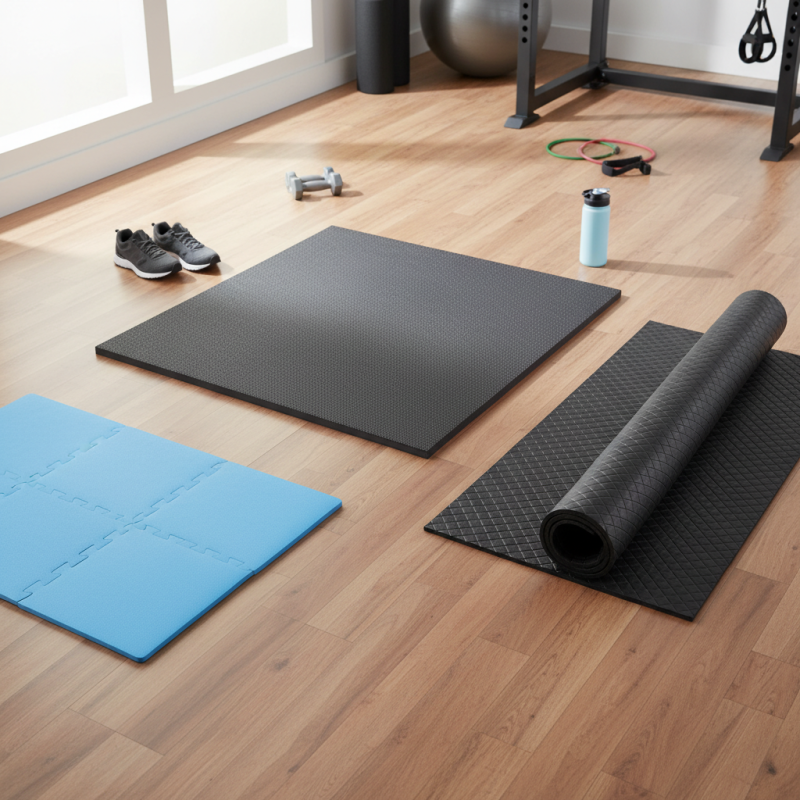
When selecting exercise floor mats, it's essential to know the types available. There are several options tailored for different activities. Foam mats are popular for yoga or pilates. They provide cushioning and support. These mats are lightweight and easy to transport. However, they might wear down over time.
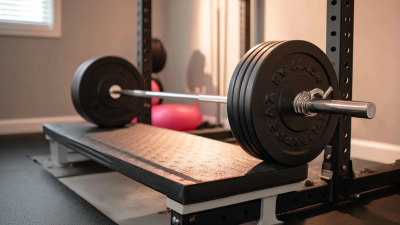
Rubber mats are another choice, especially for strength training. They offer durability and excellent grip. They're often thicker and can handle heavy weights. Keep in mind, though, that rubber mats can be quite heavy to move.
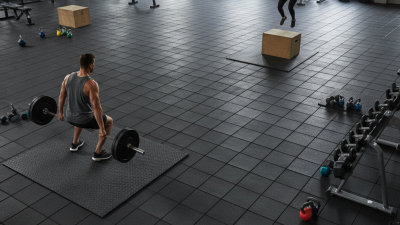
Interlocking mats are versatile. They can be customized to fit any space. You can easily add or remove sections based on your needs. These mats can sometimes shift during workouts. So, proper placement is key. Each type has its pros and cons. Level of comfort, durability, and ease of cleaning must be considered in your choice.
Key Features to Consider When Choosing Exercise Mats
Choosing the right exercise floor mats can significantly impact your workout experience. When considering Gym Exercise Mats, start by evaluating the thickness. Thicker mats offer more cushioning, reducing strain on your joints during high-impact exercises. However, very thick mats may feel unstable for balance-oriented activities.
Next, consider the material of the mats. Options like rubber, foam, and vinyl each provide different benefits. Rubber mats are durable and great for heavy equipment. Foam mats, on the other hand, are softer and ideal for yoga or Pilates. Always check for non-slip surfaces, especially if your workouts involve dynamic movements. A mat that slides can lead to injuries and frustration.
Don’t overlook the size and portability of your exercise mats. Larger mats provide ample space for movement, but may be cumbersome to store. If you have limited space, look for foldable or roll-up mats. Think about your specific workout needs, and reflect on what features truly matter for your workout routine.
Evaluating Material Options for Durability and Comfort
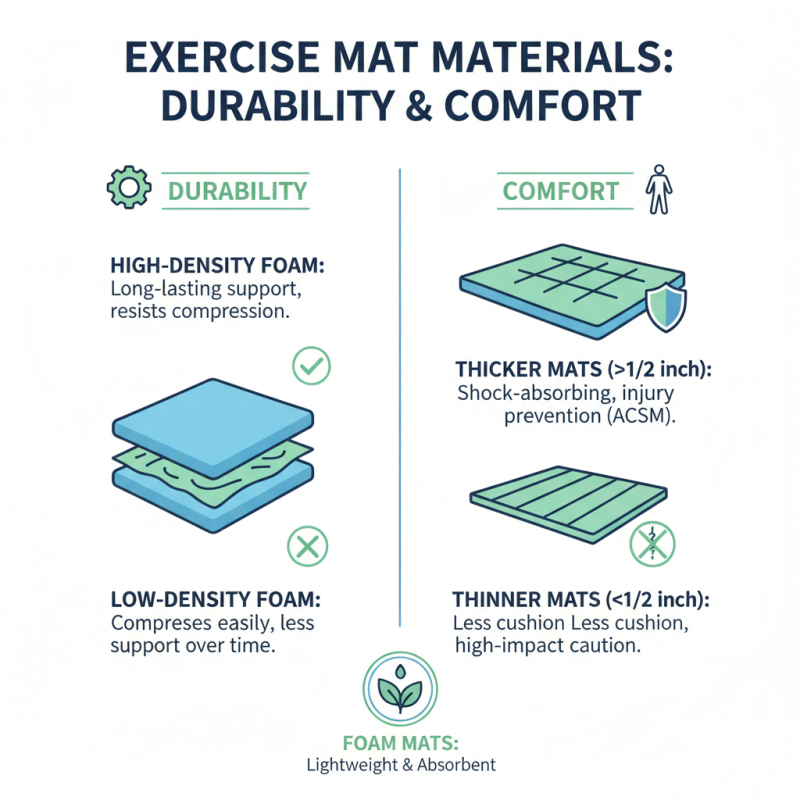
When selecting an exercise floor mat, material choice plays a crucial role in both durability and comfort. Foam Exercise Matsare a popular option due to their lightweight nature and Shock-absorbing properties. According to the American College of Sports Medicine, thicker mats can prevent injuries during high-impact workouts. However, not all foam materials are created equal. High-density foam typically lasts longer, while low-density foam can compress more easily, losing its support over time.
Additionally, consider the texture of the mat. A textured surface provides better grip, reducing the risk of slips during workouts. Research from the National Institute for Occupational Safety and Health indicates that a proper grip can enhance performance and safety. It’s essential to assess your workout style, as some mats suit yoga and pilates, while others are designed for weightlifting.
While foam mats often seem ideal, reflections on your personal needs are necessary. For instance, if you're frequently moving the mat or training in various environments, durability becomes more important. And while foam options are versatile, their life span may vary significantly depending on usage and maintenance. Recognizing these aspects can lead to more informed choices, ultimately ensuring a more satisfying workout experience.
Size and Thickness: Finding the Right Fit for Your Space
When selecting exercise floor mats, size and thickness are crucial factors. The right mat should complement your workout space without overwhelming it. Measure your area carefully to find a suitable fit. A mat that fits well enhances not only the look but also the functionality of your workout environment.
Thickness plays a vital role in comfort and safety. A thicker mat provides better cushioning, especially for high-impact exercises. However, excessively thick mats may make stability an issue during balance-focused workouts. Think about your primary activities. If you do yoga or Pilates, a thinner mat might be more appropriate. But if you’re engaging in strength training, a thicker option could be beneficial.
Finding the balance between size and thickness often requires some testing. Don’t hesitate to try different mats. Reflect on your experience after each workout. Did you feel stable? Was there enough support? These questions can guide you to the right choice. Consider your conditions to make a more informed decision.
Assessing Your Specific Exercise Needs and Activities
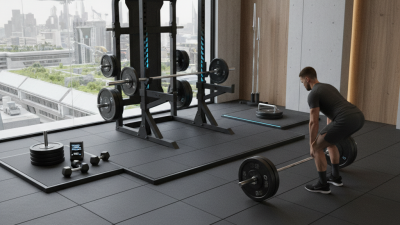
Choosing the right exercise floor mats starts with assessing your specific needs. Think about the types of workouts you engage in. Are you into yoga, weightlifting, or high-intensity interval training? Different activities require different mat characteristics. Rubber Exercise Mats provide excellent grip and cushioning, making them ideal for various routines. For yoga, you might prefer mats with a textured surface for stability. In contrast, weightlifters often favor thicker mats for shock absorption.
Consider the space where you'll work out. If you're limited in size, opt for interlocking Rubber Exercise Mats that can be arranged as needed. They are easy to store and customize. Reflect on how often you'll need to clean your mats too. Some materials repel dirt better than others. You want something that enhances your workout while being low-maintenance. While many mats have appealing features, finding a balance betweenprice and quality is key. Avoid rushing; give yourself time to explore options that truly fit your exercise lifestyle.
Budget Considerations: Balancing Quality and Affordability
When selecting exercise floor mats, budget considerations are vital. A report from the Fitness Equipment Association indicates that quality mats typically range from $30 to $100. Investing in the right mat can enhance your workout environment. However, many people sacrifice quality for a lower price, which can lead to dissatisfaction.
The balance between quality and affordability is crucial. Lower-priced mats may not provide sufficient cushioning or durability. According to a study by the American Council on Exercise, improper flooring can lead to injuries over time. Therefore, consider the long-term costs associated with cheap mats. Sometimes, spending a bit more initially can save money on replacements.
Tip: Evaluate your workout space. If you perform high-impact exercises, choose a thicker mat. For lighter workouts, a thinner mat might suffice. Always check for warranties as they reflect the manufacturer’s confidence in their product. This can guide your decision, adding a layer of security in your investment process. For a tight budget, consider buying second-hand mats in good condition. They can offer quality at a fraction of the price.
How to Choose the Best Exercise Floor Mats for Your Needs?
| Mats Type | Material | Thickness (inches) | Price ($) | Best Use |
| Foam Mats | EVA Foam | 0.5 | 30 | Yoga & Pilates |
| Rubber Tiles | Recycled Rubber | 0.75 | 50 | Weightlifting |
| Interlocking Mats | Foam/Plastic | 0.4 | 25 | General Exercise |
| Carpet Tiles | Polyester | 0.5 | 40 | Aerobic Workouts |
| Vinyl Mats | PVC | 0.25 | 20 | Dance & Aerobics |
Enhancing Gym Safety and Performance: Insights from the Latest Market Reports on Rubber Matting Rolls and Flooring Solutions
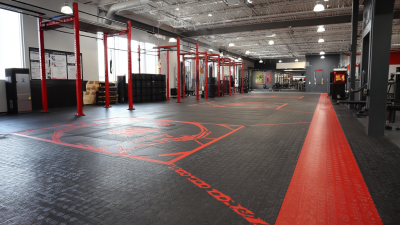
In the pursuit of enhanced gym safety and performance, the implementation of high-quality flooring solutions becomes paramount. Recent market reports highlight the increasing adoption of rubber matting rolls, which are particularly effective in providing a secure and durable environment for various fitness activities. Notably, gym facilities are witnessing a surge in the use of advanced materials, such as EPDM (Ethylene Propylene Diene Monomer), which is recognized for its superior load-bearing capacity and resilience against high-impact forces. The trend towards thicker flooring options—ranging from 4mm to 20mm—caters to diverse fitness needs, particularly in weightlifting and high-intensity training areas.
The Rubber Roll Max Style exemplifies the advancements in gym flooring technology, featuring a molded and spiral-cut design that enhances friction, cushioning, and maintenance ease. With data indicating that flooring contributes significantly to injury prevention in gyms, the choice of flooring becomes critical. The incorporation of shock-absorbing layers in thicker options addresses intense conditions, ultimately promoting both safety and performance. Reports suggest that facilities investing in high-performance flooring see improved athlete outcomes and reduced injury rates, making the choice of flooring a fundamental aspect of gym design moving forward. Such developments underline the importance of selecting quality materials to create a safe and effective training environment.
FAQS
: They provide a safe surface and reduce injury risks during workouts by up to 30%.
They have non-slip surfaces that help maintain balance while exercising.
Foam mats are ideal for yoga, offering cushioning and support.
Yes, rubber mats are durable and provide excellent grip for heavy weights.
Regularly inspect them for wear and tear to ensure effectiveness.
Yes, they can move, so proper placement is important for stability.
They are lightweight and less durable than other materials over time.
Consider comfort, durability, and the type of workout you'll be doing.
No, some mats may not support adequately; choose wisely based on your activity.
Yes, finding the right balance can be difficult and requires careful thought.
Conclusion
When selecting the best Exercise Floor Mats for your workout space, it's important to understand their significance in providing comfort, support, and safety during various exercises. There are several types of exercise mats available, each designed to cater to different types of physical activities. Key features to consider include material durability, thickness, and size, which should align with your specific needs and the type of exercises you perform.
Evaluating the materials can help ensure you choose mats that offer both durability and comfort, while also considering the space available in your home or gym. Additionally, it's essential to balance quality and affordability to find mats that fit your budget without compromising on performance. Ultimately, selecting the right Exercise Floor Mats will enhance your workout experience and contribute to a safer exercise environment.